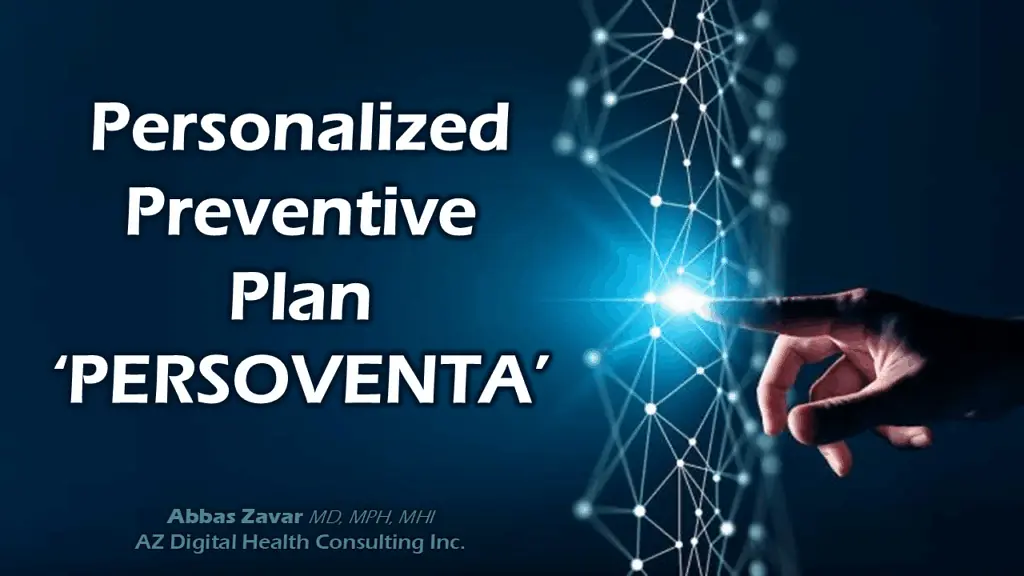
PERSOVENTA and personalized prevention
A multidisciplinary initiative developing preventive assessment tools and a knowledge foundation for more proactive, individualized care.
Find in timeline Abbas ZavarMD · MPH · MHIAZ Digital Health Consulting Inc.
 Professional journey & impact
A professional journey through frontline care, executive leadership, digital health and responsible AI—each stage contributing to a vision of comprehensive personalized medicine.
The connecting purpose
Learning from patients, care teams and the realities of frontline medicine.
Turning clinical insight into strategy, teams, services and system improvement.
Connecting people, information and workflows through stronger digital foundations.
Applying evidence and AI to augment clinical judgement and expand capacity.
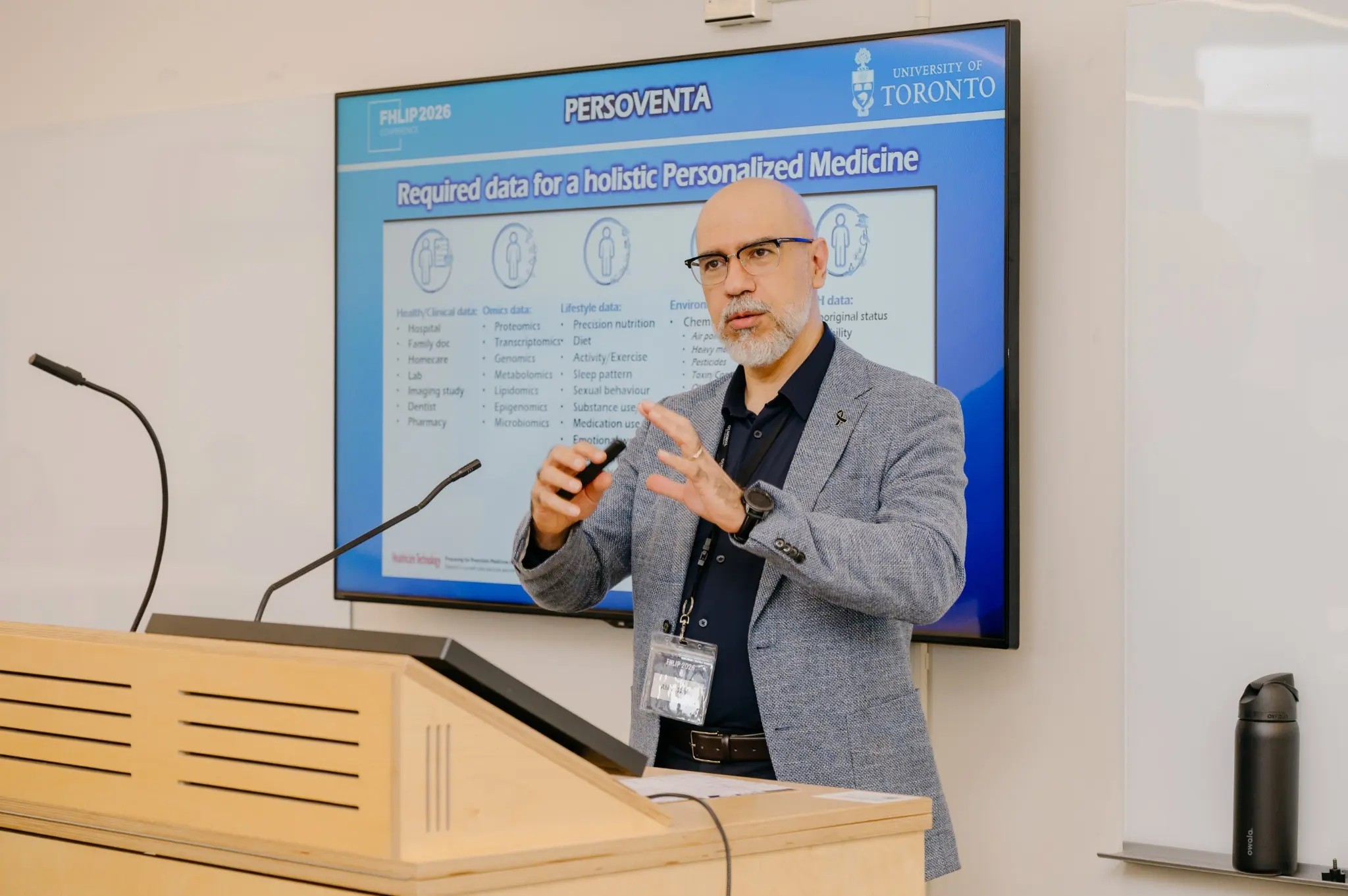
Bringing clinical, biological, behavioural and contextual data together for proactive, individualized care.
Current focus
Three initiatives at the centre of the current chapter.
A multidisciplinary initiative developing preventive assessment tools and a knowledge foundation for more proactive, individualized care.
Find in timeline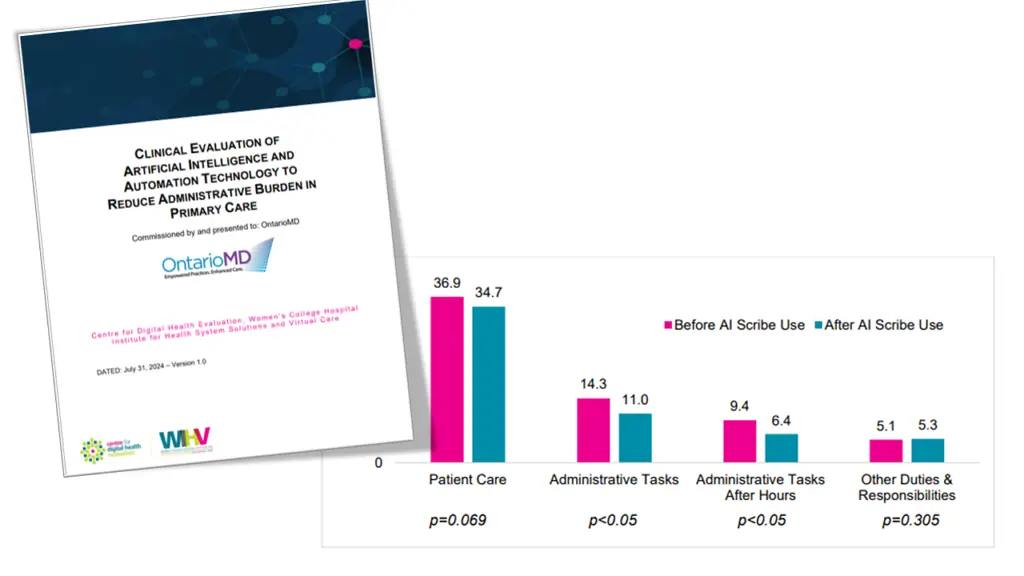
Building on earlier evaluation work, Abbas contributed to the methodology, study framework and field execution of a larger primary-care evaluation.
Find in timeline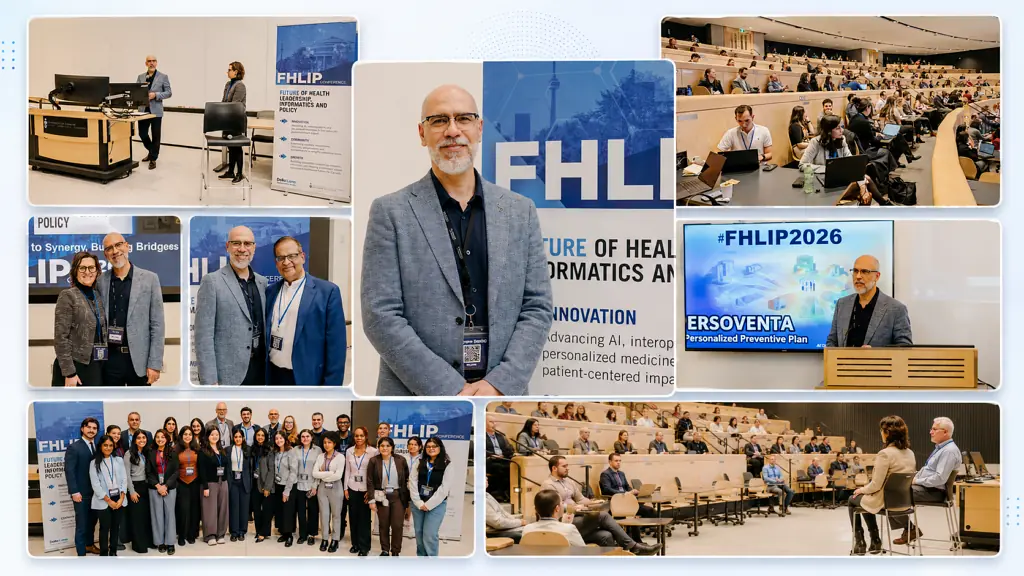
As Co-Chair and Executive Director, Abbas helped lead the third annual Future of Health Leadership, Informatics and Policy Conference.
Find in timelineSelected chapters
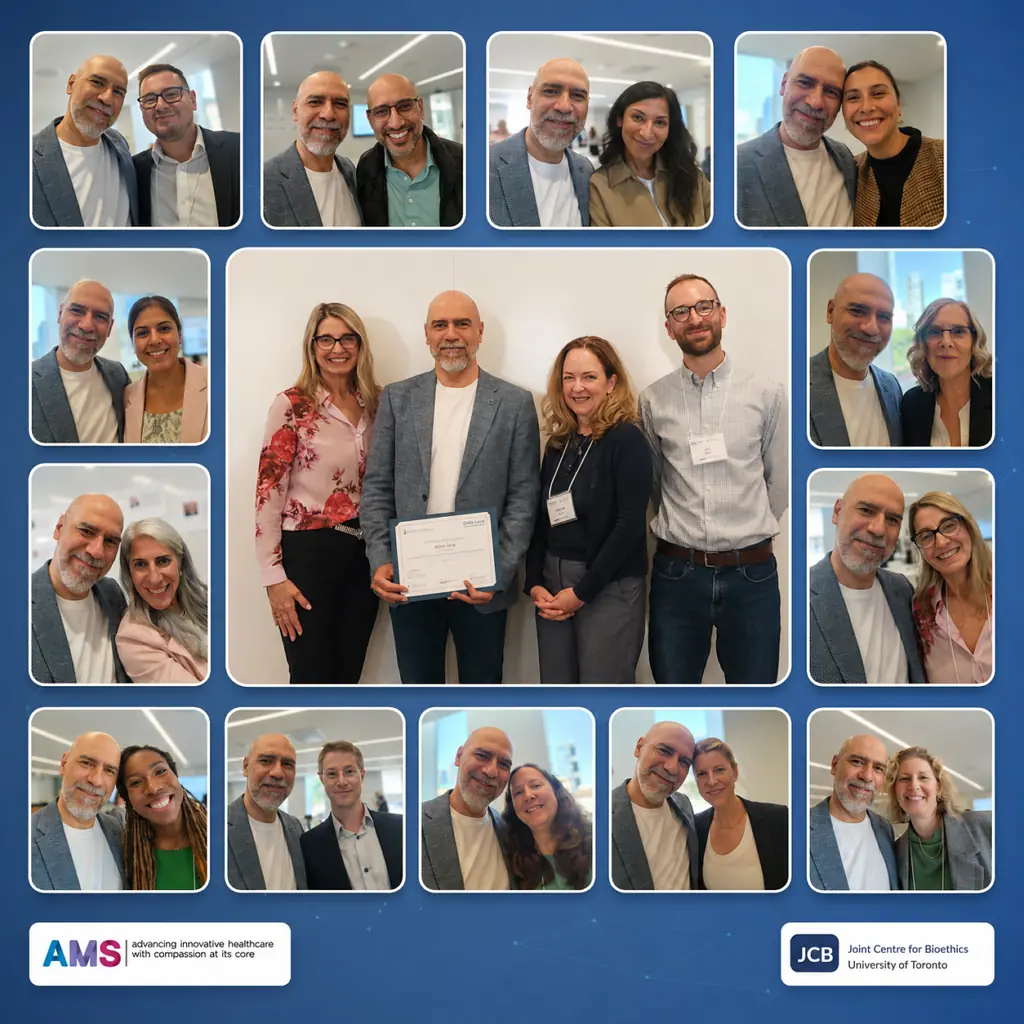
AMS Healthcare · University of Toronto
A two-year fellowship strengthened a human-centred approach to leading AI in healthcare, with attention to ethics, equity, compassion and implementation.
The fellowship brought together health-system leaders to examine how AI can support safer, more trustworthy and more compassionate care.
Its central lesson now informs Abbas's work in evaluation, implementation and responsible clinical-AI leadership.
Fellowship programmeUniversity of Toronto
As Co-Chair and Executive Director, Abbas helped lead the third annual Future of Health Leadership, Informatics and Policy Conference.
The conference connected emerging talent, established leaders and external stakeholders across health leadership, informatics, policy and AI.
The work focused on building an interdisciplinary community in which evidence, leadership and human-centred innovation could meet.
Explore the FHLIP Conference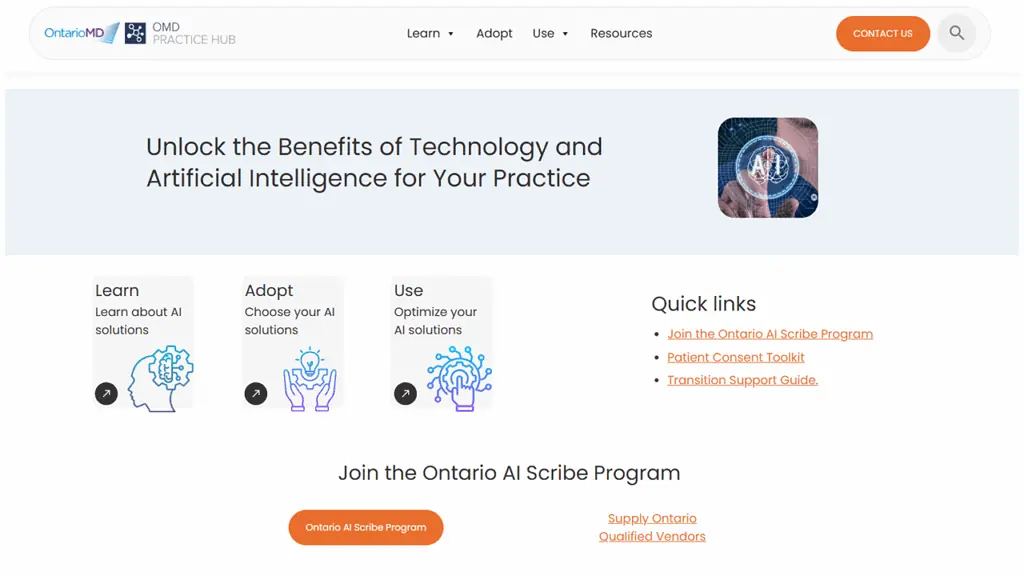
OntarioMD
As a member of the development team, Abbas contributes clinical-AI and digital-health expertise to practical resources for clinicians adopting new technology.
The platform brings together guidance, case examples and implementation resources designed for real clinical settings.
The contribution centres on translating complex AI and digital-health questions into usable learning pathways for clinicians and teams.
Explore the Practice HubCollaborative research initiative
A multidisciplinary initiative developing preventive assessment tools and a knowledge foundation for more proactive, individualized care.
The work brings together validated assessment tools across health domains and links risk factors with preventable conditions.
Its longer-term aim is to enrich clinical information, support earlier action and create a rigorous foundation for responsible AI-enabled preventive insights.
The initiative is being developed with a broad team of clinicians, researchers and health-information specialists through phased identification, analysis and validation.
Read the Phase 1 white paperOntarioMD · Ministry-funded initiative
Building on earlier evaluation work, Abbas contributed to the methodology, study framework and field execution of a larger primary-care evaluation.
The study examined how AI scribes affect documentation, workflow, administrative burden and the clinical encounter.
Abbas worked as part of a multidisciplinary OntarioMD team supporting an evaluation involving approximately 150 primary-care physicians.
The programme treated evaluation as an implementation discipline: define the questions, measure real use and translate findings into practical guidance.
OntarioMD AI-scribe overview
George Brown College
Course content introduced students to precision medicine, health-data ecosystems, AI and the practical work of designing a more individualized model of care.
Students examined why data sharing, evidence and clinical context matter to personalized care.
Applied activities asked learners to develop a blueprint connecting clinical needs, information and responsible technology.
HEAL Conference · Western University
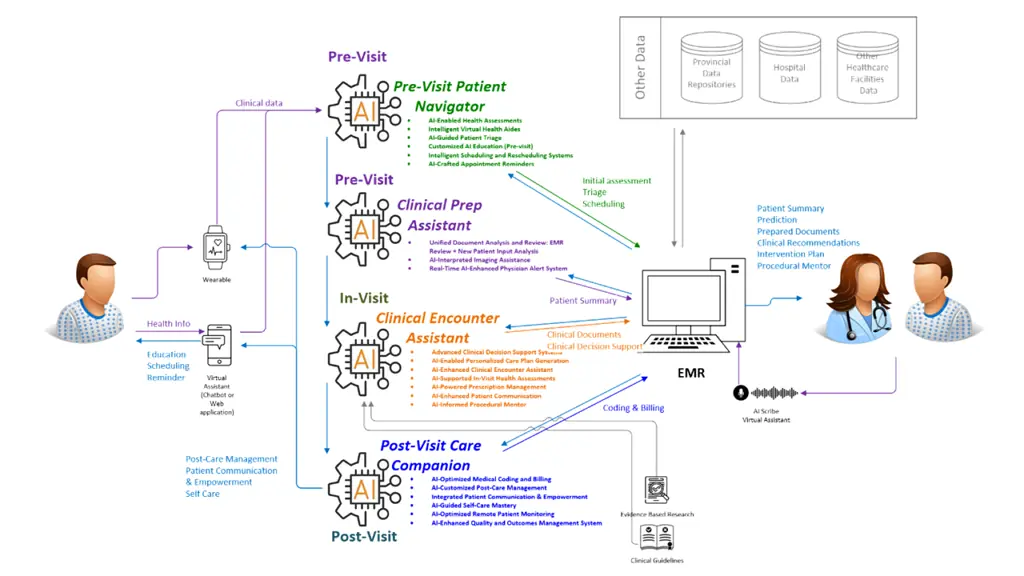
A future-state model explored how responsible AI could support patients and clinicians before, during and after the visit without displacing clinical judgement.
The model connects patient preparation, documentation, decision support, follow-up and administrative workflows.
The presentation emphasized that value depends on careful implementation, appropriate oversight and technology that responds to real clinical needs.
Read the OntarioMD perspective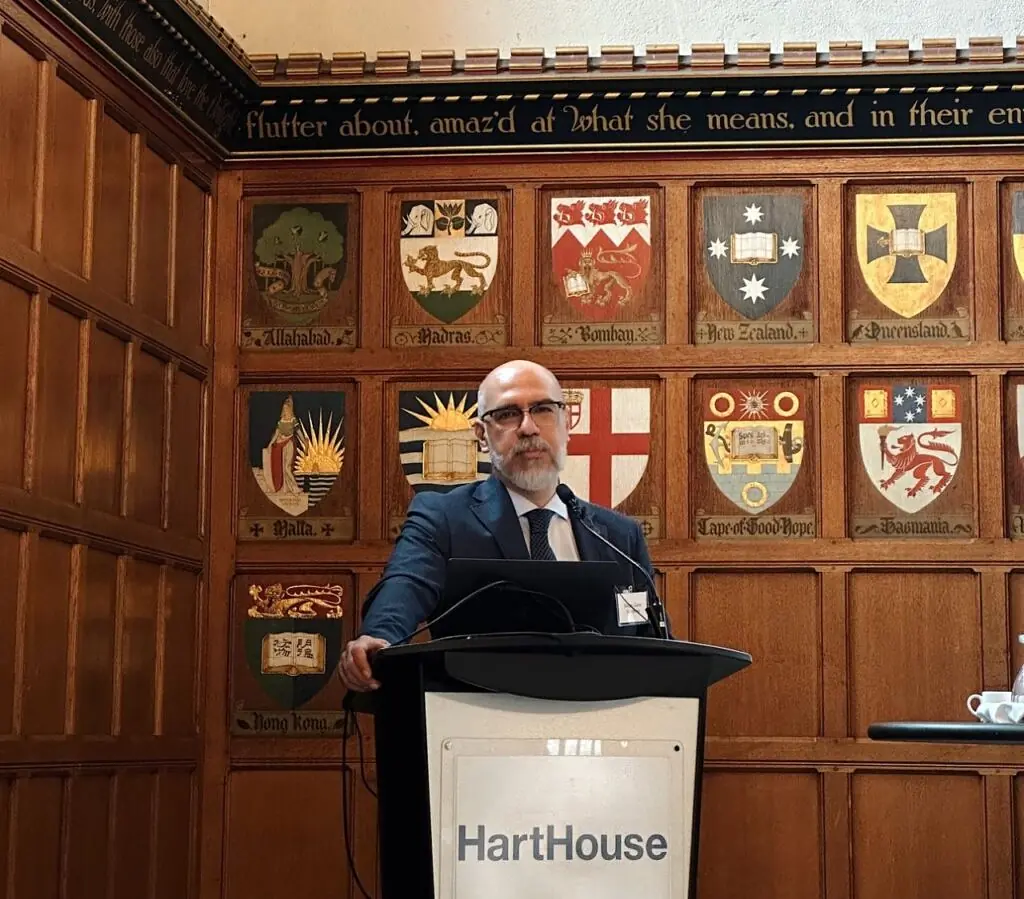
IHPME · University of Toronto
Abbas served as Master of Ceremony and supported the scientific and organizing teams for the first FHLIP Conference at Hart House.
He coordinated panels, presentations and discussion flow, and contributed two presentations.
The inaugural event created a foundation for a growing interdisciplinary community focused on leadership, informatics and policy.
OntarioMD
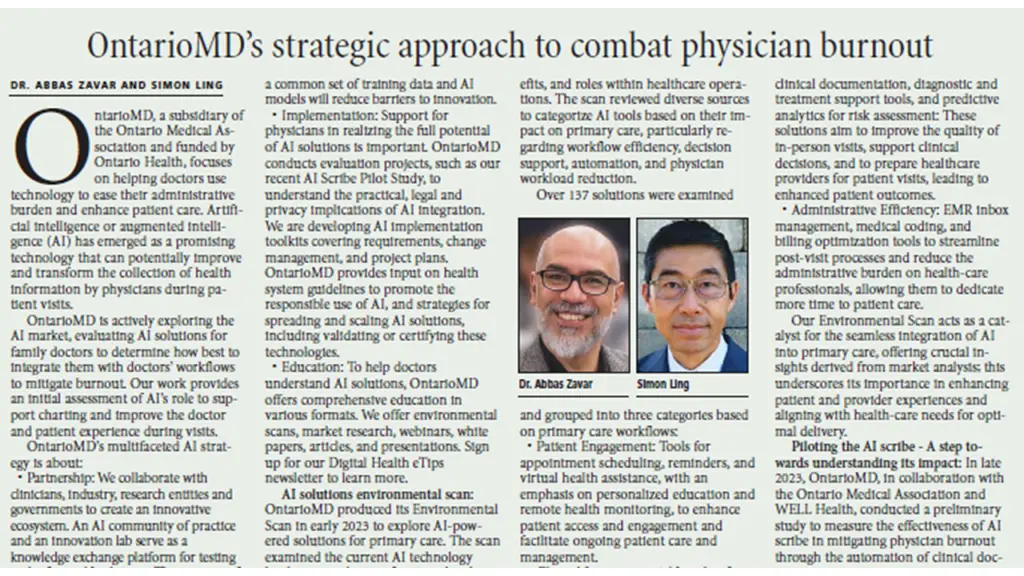
Abbas helped shape an evaluation strategy, assessment tools and a real-world study of AI-enabled documentation in primary care.
The work connected technical performance with workflow, usability, clinician burden and the patient-physician interaction.
It provided an early foundation for the larger AI-scribe evaluation programme that followed.
Read the published article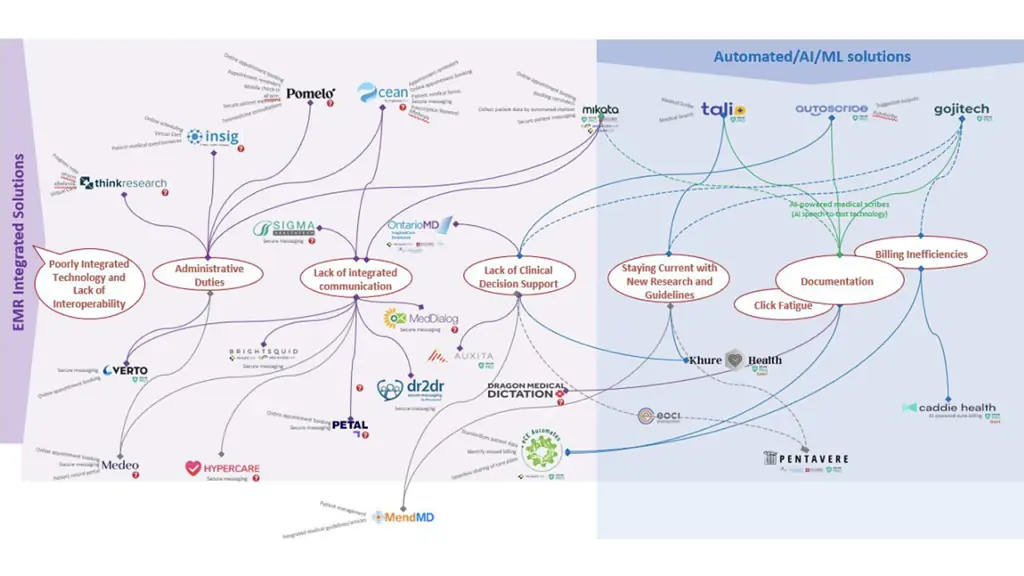
OntarioMD
Research and resource development examined the causes of physician burnout and where digital-health or AI-enabled tools may reduce avoidable burden.
The work distinguished between technology that adds complexity and tools that can simplify routine tasks or provide useful cognitive support.
It framed clinician well-being as a design, workflow and implementation issue rather than only an individual responsibility.
View the OntarioMD resource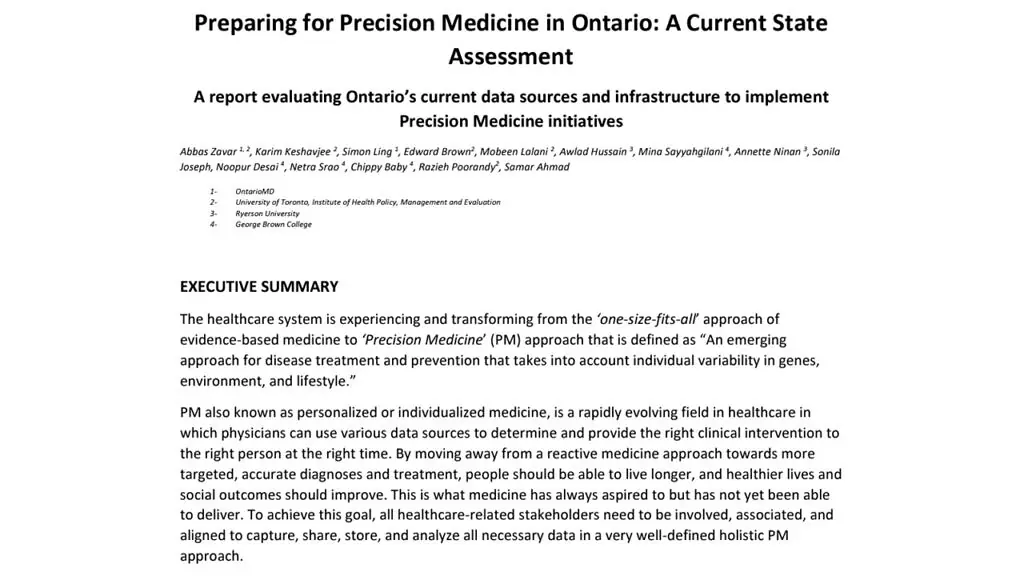
Independent multidisciplinary research
A current-state assessment examined the data sources, infrastructure and ecosystem conditions needed to advance precision medicine in Ontario.
The white paper highlighted data sharing, interoperability, governance and AI readiness as connected system requirements.
It translated a broad future vision into concrete questions about what Ontario would need to build, align and govern.
Read the white paper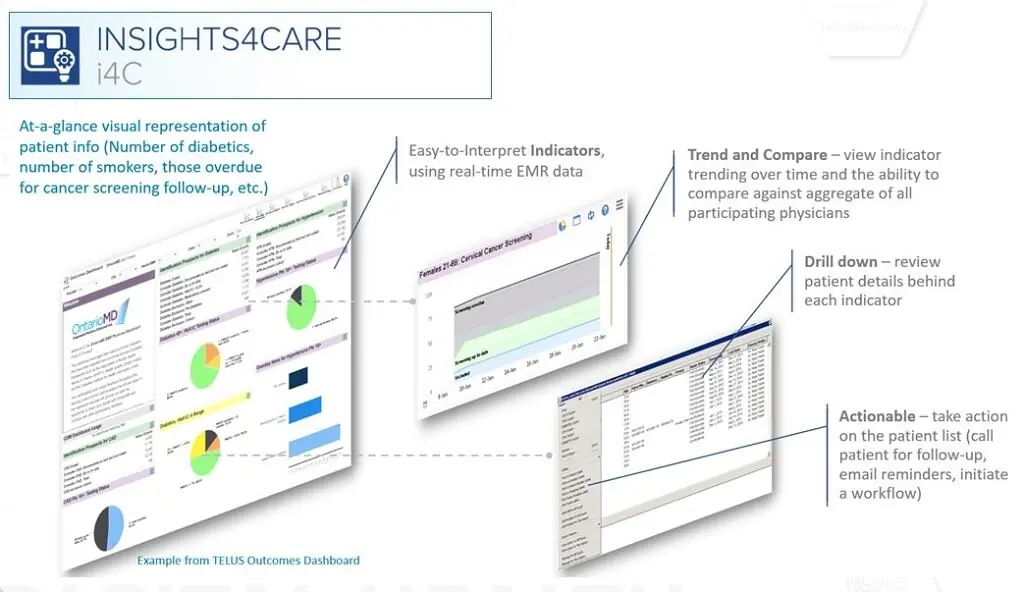
Insights4Care · OntarioMD
As part of the Insights4Care team, Abbas contributed to provincial dashboards that helped primary-care physicians interpret comparative information from EMR data.
The work combined clinical context, indicator design and business-intelligence methods.
Its practical focus was to make data understandable enough to support reflection, quality improvement and planning.
University of Toronto
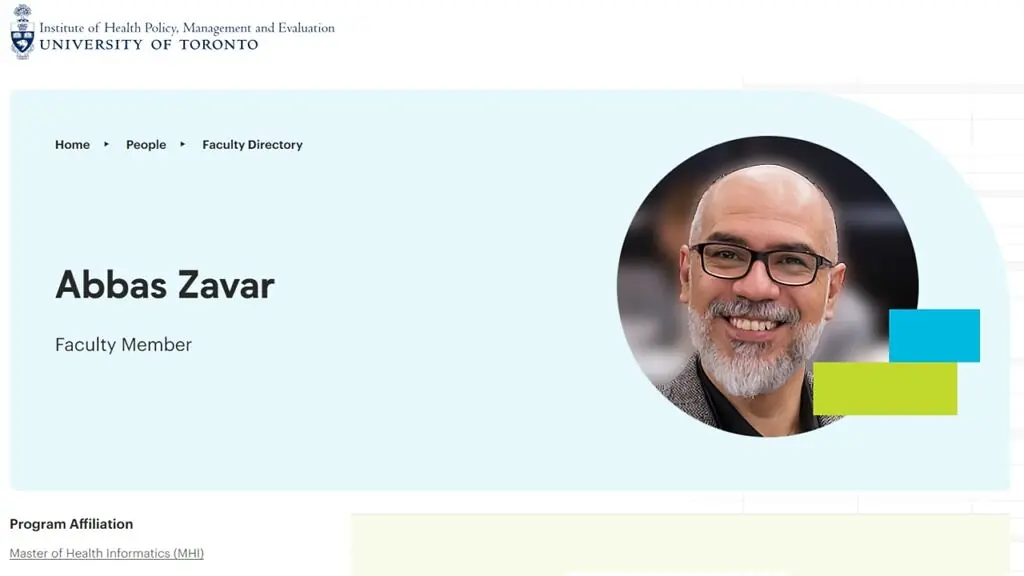
Teaching spans quantitative skills, clinical data science, knowledge management and health-informatics practicum learning.
Students examine how data becomes information, knowledge and decisions in complex health systems.
Course design connects analytical methods with clinical context, implementation and personalized medicine.
University of Toronto profile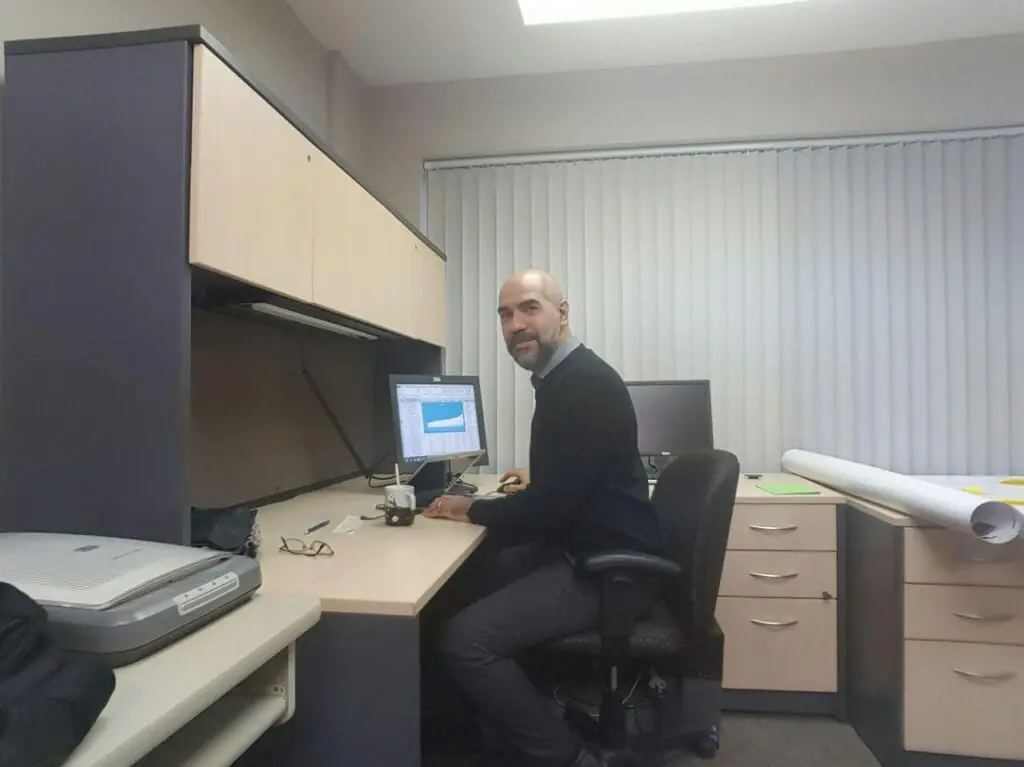
University of Toronto
The Executive Master of Health Informatics connected an earlier career in medicine and health-system leadership with data, technology and implementation in Canada.
The programme strengthened Abbas's ability to translate between clinical, analytical, operational and technical perspectives.
That bridge became central to his later work in clinical data science, evaluation, teaching and digital-health strategy.
Skills for Change · AZ Digital Health Consulting Inc.
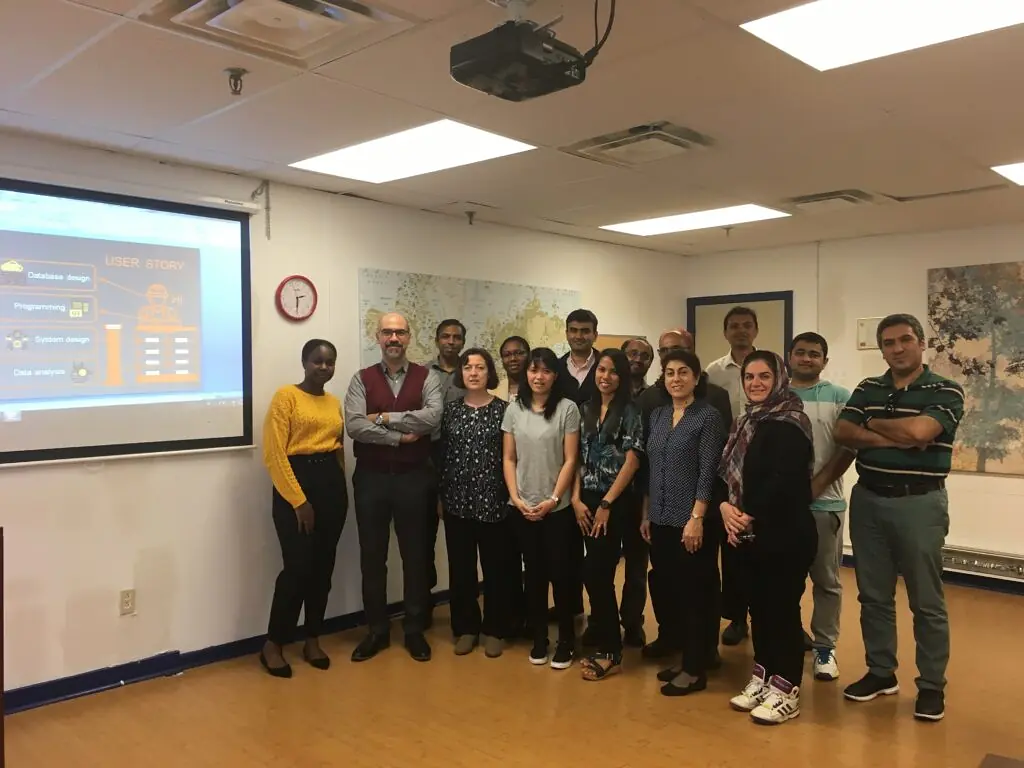
Curriculum development, workshops and mentoring have helped internationally trained professionals understand Canada's digital-health landscape and plan realistic transitions.
The original Health Informatics Bridging Program combined sector orientation, learning, career counselling and a network of academic and industry contributors.
Later workshops extended this work to people with clinical, technical and business backgrounds.
InfoClin Inc. · Toronto
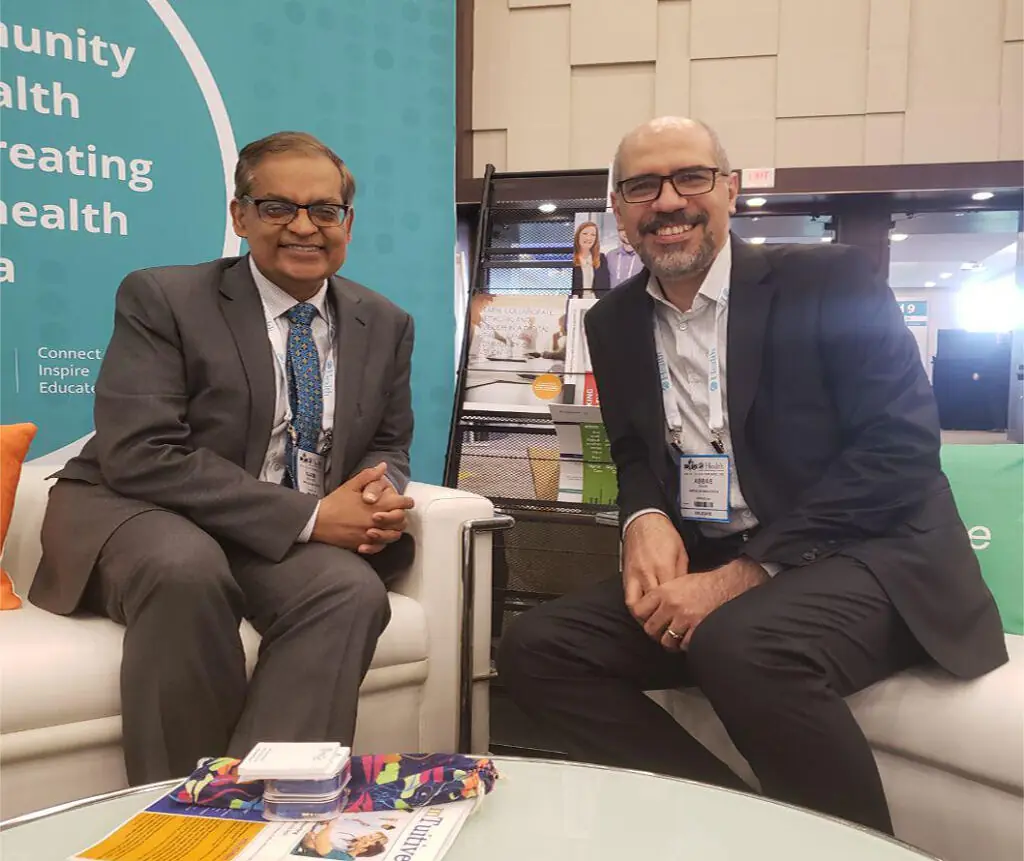
Work with EMR data expanded from cleaning, normalization and analysis to clinical decision support, case finding and workflow design.
Abbas contributed clinical interpretation and analytical methods to multidisciplinary product and research teams.
One initiative connected Canadian opioid guidance with prescribing-workflow analysis and the development of the web-based Opioid Manager tool.
Institute of Preventive Medicine SYB · Iran
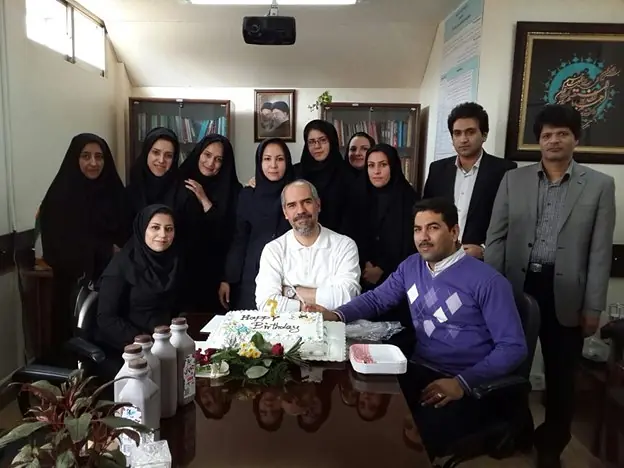
As co-founder and Decision Support Director, Abbas helped establish Iran's first private preventive-medicine institute and shape a more personalized, proactive approach to prevention.
The institute brought together health informatics, mental health, substance-use prevention, lifestyle, quality improvement and family health through a multidisciplinary model.
Abbas helped integrate digital health, data and intelligent decision support into programme design, evaluation and preventive-care planning.
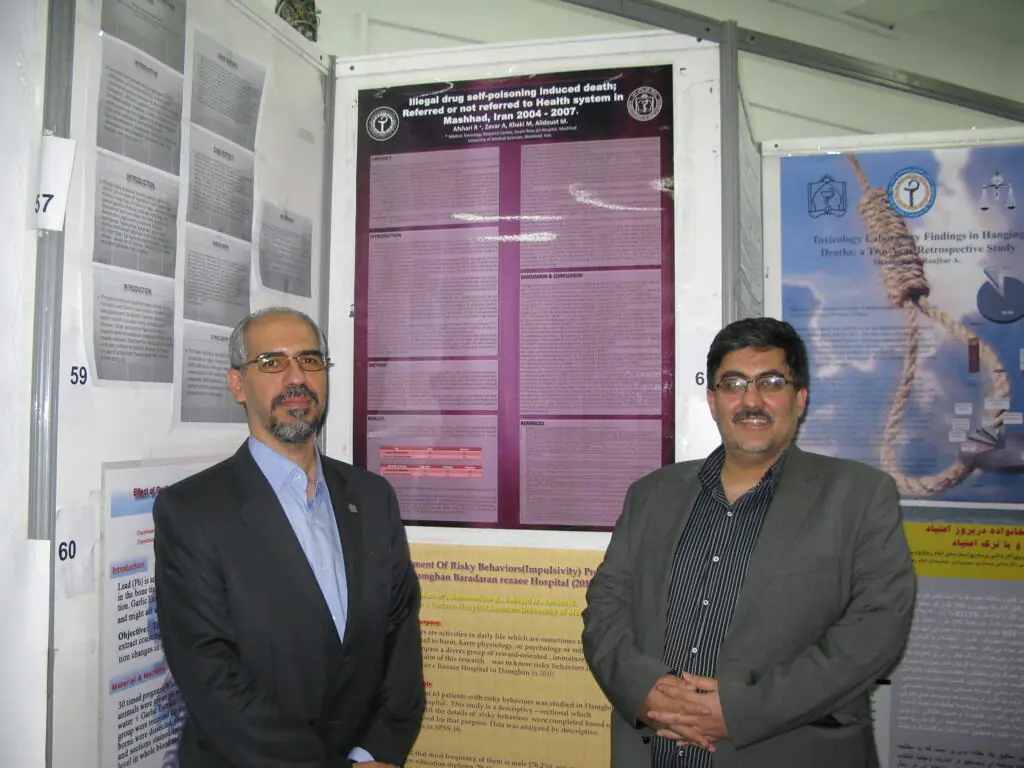
Mashhad University of Medical Sciences · Iran
Research leadership connected training, project development, evidence synthesis and policy advice in mental health and addiction.
The work included research governance, student development, multidisciplinary collaboration and communication with decision-makers.
It built on Abbas's MPH studies and earlier direct clinical and programme-management experience.
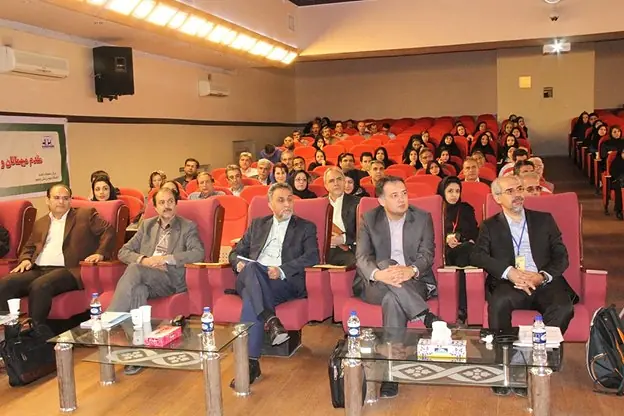
Mashhad · Iran
Clinical leadership, rehabilitation services, public-health programmes and research culminated in executive leadership of a 2014 international congress on alcohol-use prevention and care.
In 2014, as Head of the Organizing Committee and executive lead, Abbas designed the congress programme, shaped its panels and discussions, and convened researchers and organizations around prevention, treatment and policy.
The congress grew from an eight-year chapter spanning direct clinical care, rehabilitation services, prevention, education, management and applied research.
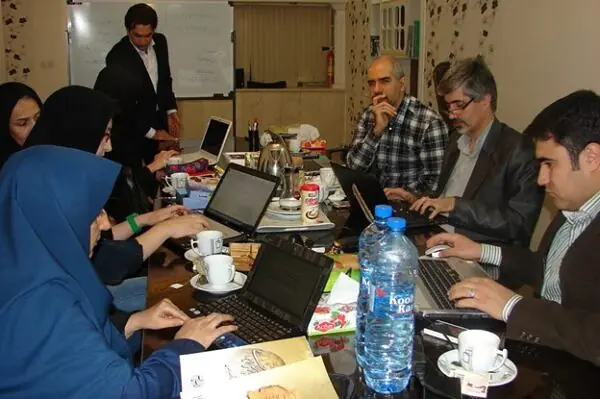
Regional health and hospital leadership · Iran
Frontline medicine expanded into health-system leadership, quality improvement and the founding of Iran's first private preventive-medicine institute—creating an early foundation for more personalized, proactive care.
Clinical and administrative processes were mapped and standardized through adapted quality-improvement methods.
The Instant Reporter concept enabled confidential reporting of clinical incidents through the hospital information system, creating a practical link between data, learning and safer processes.
Through the institute, Abbas began designing a more personalized and proactive approach to preventive medicine while integrating digital health and intelligent decision support into health-system planning and practice.
The journey in perspective
More than two decades across frontline medicine, executive leadership, education, research and digital health now converge in one continuing purpose: advancing responsible augmented intelligence and comprehensive personalized care to make health care more proactive, precise, connected, compassionate and human-centred.